

Key Takeaways
- Pregnancy gingivitis is a common gum condition caused by hormonal changes that make your gums more sensitive to plaque and bacteria.
- Swollen, tender, or bleeding gums are signs of pregnancy gingivitis, especially during the second and third trimesters.
- Pregnancy gingivitis is usually manageable, but ignoring it can allow the inflammation to get worse and possibly develop into more serious stages of gum disease.
- You can lower your risk by maintaining good oral hygiene, keeping up with dental cleanings, and addressing gum issues early.
- Dental exams, cleaning, and necessary treatments are generally safe during pregnancy, so there’s no need to wait until after your baby is born to get help.
- Pregnancy gingivitis often improves after delivery, but taking care of your gums during pregnancy can help prevent problems that might not go away on their own.
What is Pregnancy Gingivitis?
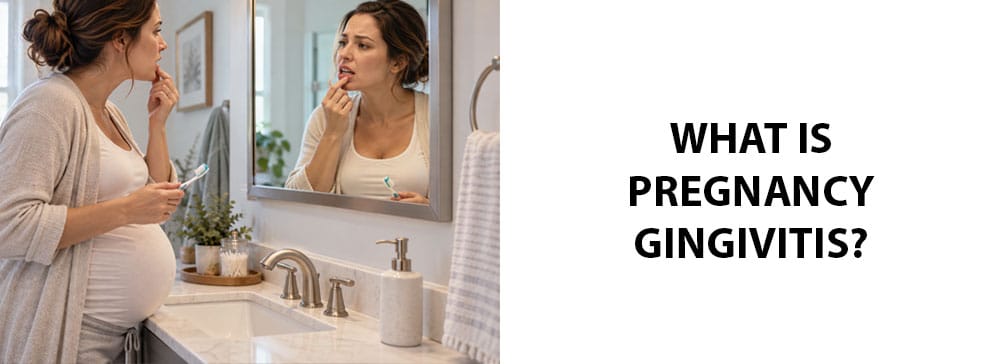
Pregnancy brings a lot of changes to your body, and some of them might come as a surprise. One thing you might not expect is how much pregnancy can actually affect your gums. Pregnancy gingivitis is a common form of gum inflammation that develops during pregnancy, mainly because of hormonal changes that make your gums more sensitive to plaque and bacteria.
Even if you’ve always taken really good care of your teeth, you can still develop gingivitis during pregnancy. The good news is that it’s usually pretty manageable with proper oral hygiene and regular dental care. Understanding why it happens and the early symptoms is the first step toward keeping your gums healthy throughout your pregnancy. If you need help with gingivitis in the Salt Lake area, we can help you. We have multiple offices in and around Salt Lake City for you to choose from, including in Salt Lake City and South Jordan, near Draper, West Valley, and Bountiful.
What Are the Symptoms of Pregnancy Gingivitis?
The symptoms of pregnancy gingivitis can be pretty mild at first, so you might not even realize there’s a problem. While bleeding gums are one of the most common signs, there are a few other changes you might notice as your pregnancy progresses.
Some of the most common pregnancy gingivitis symptoms include:
- Red or swollen gums: Your gums might look puffier than usual or appear red instead of their normal pink color.
- Tender or sensitive gums: Your gums may feel sore or uncomfortable, especially when brushing or flossing.
- Bleeding gums: You might notice blood on your toothbrush or when flossing, even if you’re not brushing particularly hard.
- Persistent bad breath: Inflammation and plaque buildup can sometimes cause bad breath that doesn’t seem to go away.
- Gum sensitivity when eating: Certain foods, especially crunchy or hard foods, might make your gums feel more irritated than usual.
Not everyone experiences the same symptoms, and some women may only notice one or two of these changes. Even if your symptoms seem minor, it’s worth paying attention to them before they become more uncomfortable.
Bleeding Gums During Pregnancy
Bleeding gums during pregnancy are actually pretty common, especially during the second and third trimesters. The main reason is hormone changes. As your estrogen and progesterone levels increase, your gums become more sensitive. This can cause inflammation, which makes your gums more likely to bleed, especially when you’re brushing and flossing.
While a little bleeding doesn’t necessarily mean something is seriously wrong, it’s not something you should ignore either. Bleeding gums can be an early sign of pregnancy gingivitis, and without the proper care, the inflammation can get worse. If you notice your gums bleeding on a regular basis, it’s a good idea to mention it to your dentist.
How Is Pregnancy Gingivitis Diagnosed?
Your dentist can usually diagnose pregnancy gingivitis during your routine dental checkup or exam. They’ll check your gums for swelling, redness, and bleeding and might also measure the spaces between your teeth and gums to look for signs of more advanced gum disease. In most cases, there aren’t any special tests needed. Just let your dentist know you’re pregnant and mention any changes you’ve noticed in your gums.
How is Pregnancy Gingivitis Treated?
Pregnancy gingivitis is usually treatable, and the good news is that you don’t have to wait until after your baby is born to start the healing process. Treatment generally focuses on reducing inflammation, removing plaque, and keeping your gums as healthy as possible throughout the remainder of your pregnancy.
Depending on how severe your pregnancy gingivitis is, your dentist might recommend:
- Professional dental cleaning: Removing plaque and tartar buildup can help reduce gum inflammation and bleeding.
- Brushing twice a day: Use a soft-bristled toothbrush and fluoride toothpaste to gently clean your teeth without irritating your gums.
- Flossing daily: Flossing helps remove plaque and food particles from between your teeth where your toothbrush generally can’t reach.
- Antimicrobial mouthwash: In some cases, your dentist might recommend a pregnancy-appropriate mouthwash to help control bacteria and inflammation.
- Routine dental checkups: Your dentist can keep a close eye on your gum health and recommend additional treatment if needed when you come in for regular checkups.
Pregnancy gingivitis tends to improve after delivery once hormone levels return to normal. However, it’s still important to treat it during pregnancy to prevent the inflammation from progressing into more serious gum disease.
When Should You See a Dentist for Pregnancy Gingivitis?
It’s really easy to brush off a little gum irritation during pregnancy, especially when you’re dealing with so many other changes. But if your gums are bleeding regularly, becoming swollen, or feeling painful, it’s worth making an appointment to check in with your dentist rather than waiting until after your baby arrives. You should also seek dental care if you notice persistent bad breath, receding gums, or teeth that feel loose. They could all be signs of a more serious gum problem that needs attention.
What Happens if You Have Pregnancy Gingivitis?
If you develop pregnancy gingivitis, it doesn’t necessarily mean you’ll have serious dental problems. For a lot of women, it’s a temporary issue that improves after giving birth. However, that doesn’t mean you should just wait it out or ignore it.
If it’s left untreated, pregnancy gingivitis can get worse and, in some cases, progress to periodontitis, a more serious form of gum disease that can damage the tissues and bone supporting your teeth. The important thing to remember is that pregnancy gingivitis itself is reversible, especially when it’s caught early. With the right dental care, most women can keep their gums healthy throughout pregnancy and avoid bigger problems down the road.
Can Pregnancy Gingivitis Be Prevented?
Pregnancy gingivitis isn’t always preventable, but that also doesn’t mean you’re guaranteed to develop it either. While hormonal changes make your gums more vulnerable to inflammation, the amount of plaque that builds up around your teeth plays a key role in whether problems will develop.
One of the best things you can do in terms of prevention is schedule a dental checkup when you’re planning to become pregnant or early in your pregnancy. This gives your dentist a chance to address any existing gum problems before hormonal changes have a chance to make them worse. It’s also important to stay really consistent with your oral hygiene routine, even when morning sickness, fatigue, or other pregnancy symptoms make brushing and flossing harder to do.
Pregnancy Gingivitis: Keeping Your Gums Healthy During Pregnancy
With everything else on your mind during pregnancy, your gums probably aren’t at the top of your priority list. But taking care of your oral health is one more way to take care of yourself during this exciting time. Pregnancy gingivitis is common, and while it can be uncomfortable, it doesn’t have to turn into a bigger problem. Knowing when to seek help can make all the difference.
If you find yourself dealing with tender, swollen, or bleeding gums during pregnancy, our team at Utah Periodontal Specialists is here to help. With convenient locations in Salt Lake City and South Jordan, we can evaluate your gum health, discuss your treatment options, and help you feel more comfortable throughout your pregnancy.
Pregnancy Gingivitis FAQs
When does pregnancy gingivitis start?
Pregnancy gingivitis can start as early as the first trimester, although it’s more common during the second trimester. Hormonal changes can make your gums more sensitive to plaque, leading to redness, swelling, and bleeding when brushing or flossing.
Can pregnancy cause swollen gums?
Yes! Swollen gums are pretty common during pregnancy because hormonal changes increase blood flow to your gums and make them more sensitive. You might also notice tenderness or bleeding when brushing your teeth. Good oral hygiene and regular dental cleanings can help.
Is it safe to get dental X-rays while pregnant?
Yes, dental X-rays are generally considered safe during pregnancy when they’re needed for diagnosis or treatment. Modern dental X-rays use very low levels of radiation. Just make sure your dentist knows you’re pregnant so they can provide appropriate care.
Is pregnancy gingivitis dangerous?
Pregnancy gingivitis is usually mild and not too hard to manage, but you still shouldn’t ignore it. If it’s not addressed, gingivitis can worsen and potentially develop into more serious gum disease. If your gums are swollen, painful, or bleeding frequently, it’s a good idea to schedule an appointment with your dentist.
Does Pregnancy Gingivitis Go Away After Delivery?
Yes, pregnancy gingivitis often improves after giving birth as your hormone levels return to normal. However, it doesn’t always go away completely, especially if plaque buildup or existing gum problems are involved. If your gums are still swollen, tender, or bleeding after delivery, it’s a good idea to schedule a dental appointment.
Recent Comments