

Key Takeaways
- Oral thrush is a fungal infection caused by an overgrowth of Candida yeast in the mouth.
- Common oral thrush symptoms include white patches, redness, soreness, burning, and difficulty swallowing.
- Oral thrush is most common in infants, older adults, denture wearers, and people with certain underlying health conditions.
- Antibiotics, inhaled steroids, dry mouth, smoking, and weakened immune function are common causes of oral thrush in adults.
- Oral thrush is usually treatable with prescription antifungal medications such as nystatin.
- Good oral hygiene, proper denture care, and managing underlying health conditions can help reduce the risk of oral thrush.
A lot of people have heard of oral thrush, but really aren’t sure what it is or who it affects. While it’s most often associated with infants, adults can certainly develop oral thrush too. In this guide, we’ll fill you in on common symptoms, causes, prevention, treatment, and more. If you think you have a dead tooth and live in Utah, we’re ready to help you and have offices conveniently located near Salt Lake City and South Jordan.
What is Oral Thrush?
Oral thrush is a fungal infection that happens when a naturally occurring yeast called Candida starts growing more than it should inside the mouth. Normally, this yeast lives there without causing any issues, but certain changes can throw that balance off and allow it to multiply. When that happens, it can lead to irritation and discomfort. The good news is that oral thrush is a pretty common condition, and understanding what it is can make it much easier to treat before it gets out of hand.
What Causes Oral Thrush?
Our mouths naturally contain bacteria and yeast that typically coexist without causing problems. When something throws that balance off, the yeast can begin to multiply, leading to an infection.
Common factors that can contribute to oral thrush include:
- Changes in the mouth’s natural balance of bacteria and yeast
- A weakened ability to fight off infections
- Certain medications that affect the oral environment
- Dry mouth or reduced saliva production
- Irritation or changes within the mouth and oral tissues
- Poorly fitting oral appliances or other sources of irritation
What Causes Oral Thrush in Adults?
Most of the time, oral thrush isn’t caused by a single issue but rather a combination of factors that create an environment where Candida yeast can grow more easily than it should.
Some of the most common causes of oral thrush in adults include:
- Taking antibiotics, which can reduce the healthy bacteria that normally help keep yeast growth in check
- Using inhaled corticosteroids for conditions such as asthma, especially if the mouth isn’t rinsed afterward
- Dry mouth caused by medications, dehydration, or certain medical conditions
- Wearing dentures, particularly if they don’t fit properly or aren’t cleaned regularly
- Smoking or using other tobacco products
- Poor oral hygiene habits
- Conditions that weaken the immune system, such as cancer, leukemia, or lupus
- Uncontrolled diabetes, which can create conditions that encourage yeast growth
What are the Symptoms of Oral Thrush?
Oral thrush doesn’t always show up the same way for everyone. Most of the time, the infection starts gradually and becomes worse over time. It’s helpful to know what signs to look for early so you can get treatment before things get worse.
Common oral thrush symptoms include:
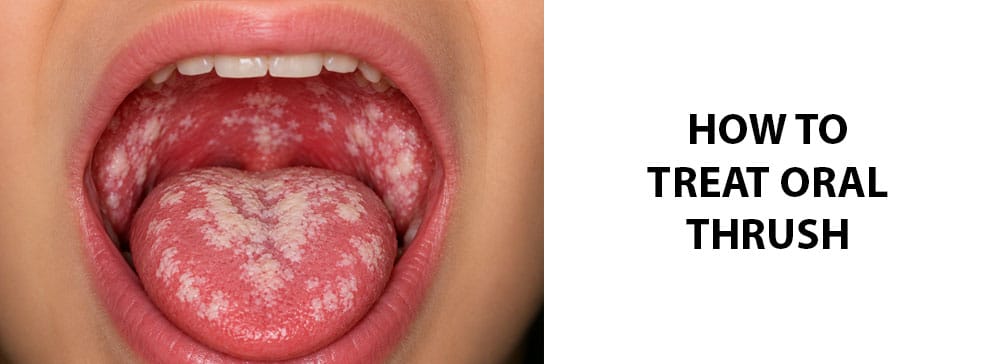
- White or cream-colored patches inside the mouth
- Redness or irritation of the tongue, gums, cheeks, or roof of the mouth
- A sore or burning sensation in the mouth
- Pain or discomfort while eating or drinking
- Difficulty swallowing
- Cracking or redness at the corners of the mouth
- A cotton-like feeling in the mouth
- Loss of taste or changes in how food tastes
- Dry mouth
- Mild bleeding when the affected areas are rubbed or scraped
Can Oral Thrush Cause Bad Breath?
Yes, sometimes oral thrush can cause bad breath. When the yeast responsible for the infection grows out of balance, it can lead to unpleasant odors or a lingering bad taste. While bad breath isn’t always the first symptom people notice, it can definitely be part of the picture.
Who Typically Gets It?
Some people are more vulnerable to oral thrush than others because of factors such as age, certain health conditions, or disruptions to the mouth’s natural balance. Infants and older adults are the groups that are affected the most. While oral thrush can certainly happen to anyone, it tends to occur more often when the body’s normal defenses or the mouth’s natural environment aren’t working as effectively as they should.
What Happens If You Don’t Get Treatment?
While oral thrush might start as just being annoying, the infection can spread and become very uncomfortable if it isn’t treated. Simple things like eating, drinking, or having a conversation can start to feel very irritating and unpleasant.
While serious complications are uncommon for most healthy people, those with weakened immune systems could run a higher risk of the infection spreading beyond the mouth. If oral thrush spreads, it can affect areas such as the throat, esophagus, or other parts of the body. This is pretty uncommon and is typically only seen in people with significantly weakened immune systems.
How Long Does Oral Thrush Last Without Treatment?
Plan on oral thrush sticking around until the underlying issue causing the imbalance has been treated. This means it can be really hard to pinpoint how long it will last. Some people might end up dealing with it for several weeks or longer. While every situation is different, oral thrush generally won’t go away without some kind of intervention. If you deal with persistent symptoms, definitely get it looked at.
Is Oral Thrush Contagious?
Oral thrush isn’t usually considered contagious like a cold or the flu. However, it is possible for the yeast that causes it to spread between people in certain circumstances, such as between a breastfeeding mother and infant. For most healthy adults, though, casual contact like talking, sharing a room, or being around someone with oral thrush is unlikely to cause the infection to spread.
How to Prevent Oral Thrush
While it isn’t always possible to completely prevent oral thrush, there are some simple habits that can definitely lower your risk.
- Brush and floss regularly
- Clean dentures thoroughly and remove them as directed
- Rinse your mouth after using inhaled corticosteroid medications 4. Stay hydrated to help prevent dry mouth
- Keep diabetes and other underlying health conditions well under control
- Schedule regular dental checkups and cleanings
- Avoid smoking and other tobacco products
- Replace your toothbrush as recommended and keep oral appliances clean
- Limit sugary foods and drinks
- Seek prompt treatment for persistent oral irritation or dry mouth
How to Prevent Oral Thrush in Infants
Because babies have developing immune systems, they’re naturally more susceptible to oral thrush than older children and adults. Even with good prevention habits, babies can still develop oral thrush. The good news is that it’s very treatable and responds really well to prompt medical treatment.
Here are a few ways to prevent the risk in infants:
- Regularly clean and sterilize all bottles, nipples, pacifiers and teething toys
- Wash your hands before feeding or handling the feeding equipment
- Allow bottle nipples and pacifiers to fully dry between uses when possible
- If you’re breastfeeding, keep bottle nipples clean and seek treatment if you develop symptoms of a yeast infection
- Follow your pediatrician’s recommendations carefully if your baby has recently been on antibiotics
- Watch for early signs and symptoms and seek prompt treatment
Oral Thrush Treatments
Oral thrush is usually very treatable. The right treatment, however, depends on factors like your age, overall health, and how severe the infection is. The goal of treatment focuses on getting the yeast growth back under control while also addressing anything that might have triggered the infection in the first place
-
Oral Thrush Treatment for Adults
Treatment for adults usually involves an antifungal medication prescribed by a doctor or dentist. Depending on the situation, this might come as a mouth rinse, lozenge, or oral medication. Most people start feeling better within a few days. Just remember that it’s really important to continue treatment for as long as is directed, even if your symptoms are going away.
-
Oral Thrush Treatment for Infants
Oral thrush is fairly common in babies and is usually treated with medications prescribed by a pediatrician. Most infants respond really well to treatment. If a baby is breastfeeding, the mother might also need treatment since yeast can sometimes be passed back and forth during feedings.
What’s the Best Mouthwash For Oral Thrush?
While mouthwash can definitely help soothe irritation and keep the mouth clean while treatment is underway, most over-the-counter mouthwashes aren’t designed to actually treat the infection. Alcohol free formulas and gentle rinses, such as saltwater or baking soda solutions, are some of the best options. They won’t typically eliminate the underlying yeast infection, which requires prescription antifungal treatment.
When prescription treatment is needed, one of the most common options is nystatin. This antifungal medication is designed to treat the yeast that causes oral thrush. It’s generally prescribed as a liquid that you swish around your mouth before swallowing or spitting it out, depending on your provider’s instructions. Most people begin noticing improvement within a few days.
Final Thoughts on Oral Thrush
Oral thrush is a fairly common condition, but that doesn’t mean you should ignore the signs and symptoms. The sooner you recognize what’s happening and understand what’s contributing to the infection, the easier it is to get the right treatment
If you’d like help keeping your smile healthy and preventing issues like oral thrush, our friendly team at Utah Periodontal Specialists is here for you. We proudly serve patients from our multiple convenient locations near Draper, Bountiful, and West Valley, and would be happy to help you maintain your best oral health.
FAQs About Oral Thrush
What is the fastest way to get rid of oral thrush?
The fastest way to get rid of oral thrush is typically with prescription antifungal medication prescribed by a healthcare professional. Treatment often begins working within a few days, though it’s important to complete the full course as directed.
Can oral thrush go away on its own?
In some cases, mild oral thrush may improve if the underlying cause is addressed. However, many infections persist without treatment and can become more uncomfortable over time.
What does oral thrush look like?
Oral thrush often appears as white or cream-colored patches inside the mouth. These patches may develop on the tongue, inner cheeks, gums, roof of the mouth, or throat.
Is oral thrush contagious?
Oral thrush is not usually considered highly contagious. It develops when naturally occurring Candida yeast grows out of balance, although the yeast can sometimes be passed between individuals in certain situations.
How long does oral thrush last?
Without treatment, oral thrush can last for weeks or longer. With the right treatment, many people begin noticing improvement within a few days, although complete recovery might take longer.
What causes oral thrush in adults?
Common causes of oral thrush in adults include antibiotic use, inhaled corticosteroids, dry mouth, smoking, dentures, uncontrolled diabetes, and conditions that weaken the immune system.
What is the best mouthwash for oral thrush?
Alcohol-free mouthwashes and gentle rinses, such as saltwater or baking soda solutions, may help soothe symptoms. However, they typically don’t treat the underlying yeast infection, which often requires prescription antifungal medication.
Can babies get oral thrush?
Yes. Oral thrush is common in infants because their immune systems are still developing. Fortunately, it’s usually treatable with medication prescribed by a pediatrician.
Recent Comments