

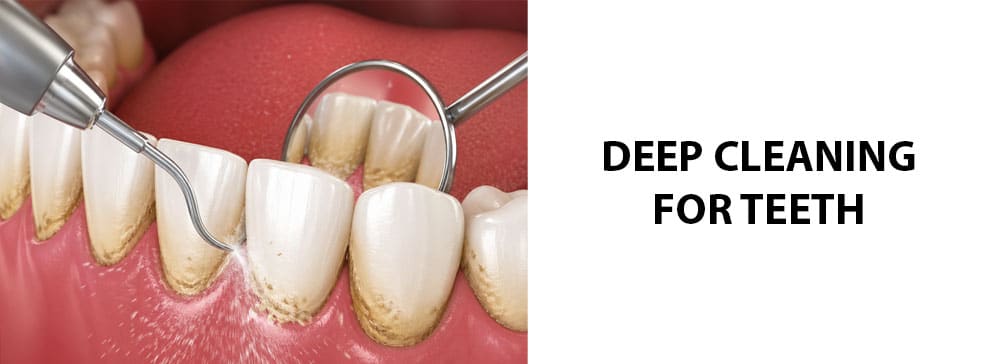
A deep cleaning for teeth, also called scaling and root planing, is basically a much more thorough cleaning than normal. Your dentist will go below the gumline to get rid of stubborn tartar and bacteria. It’s typically recommended if you’re dealing with moderate gum disease. This kind of treatment helps with sore or bleeding gums and lowers your chance of losing teeth down the road. In this article, we’ll go over when a deep cleaning makes the most sense, potential risks, benefits, how the procedure is done, and more. If you need help removing plaque on your teeth and you live in Utah, we have offices conveniently located near Salt Lake City and South Jordan.
What is Tooth Scaling and Root Planing?
This kind of treatment goes a step beyond what you get when you think of a regular dental cleaning. A standard visit focuses on the visible parts of your teeth. Scaling and root planing targets the areas below the gumline that are even missed during routing cleanings. By addressing those deeper spots, it helps stop more serious gum issues and gives your mouth a chance to heal.
How Frequently Do You Need a Deep Cleaning For Your Teeth?
Most people only need scaling and root planing one time. Once the tartar and plaque are removed, you can then move into maintenance mode. That usually means coming in every 3 to 4 months to keep bacteria from building back up. If your gums stay in good shape, you might not need another deep dental cleaning at all. But if gum issues come back, your dentist or periodontist might suggest another round in certain spots.
Benefits of Getting a Deep Cleaning For Your Teeth
- Helps reduce gum inflammation and swelling
- Cuts down on bleeding when brushing or flossing
- Removes bacteria hiding below the gumline
- Helps prevent gum disease from getting worse
- Can tighten up loose or sensitive gums over time
- Lowers the risk of tooth loss
- Leaves your mouth feeling cleaner and healthier overall
Potential Risks of Scaling and Root Planing
Scaling and root planing is considered a common, safe, and effective treatment, but like anything dental-related, there are a few potential downsides. Most are very mild and temporary, but it’s still good to know what to watch for.
- Temporary tooth sensitivity, especially to hot or cold
- Mild gum soreness or tenderness for a few days
- Slight bleeding after the procedure
- Gums may shrink slightly as inflammation goes down
- Small risk of infection if aftercare isn’t followed
- Teeth may feel a bit looser at first as gums adjust
- Rare chance of nerve irritation in more complex cases
How Long Does Recovery Take?
Recovery time is usually pretty quick. Most people notice some soreness and mild sensitivity for a few days, especially with hot and cold foods. You’ll notice your gums starting to feel better within about a week though full healing and tightening of the gums can take a few weeks.
What to Expect
If you’ve been told you need a scaling and root planing procedure, it’s very normal to wonder what the process actually looks like. Here’s a simple breakdown so you know what to expect during every stage of the treatment.
-
Before the Treatment
Your dentist or periodontist will examine your gums and measure the depth of the pockets around your teeth. X-rays will likely be taken to check what’s going on below the surface as well. If a deep gum cleaning is recommended, they’ll usually plan it out by sections of your mouth and might use a local anesthetic so you stay comfortable
-
During the Procedure
The actual teeth deep cleaning procedure involves removing plaque and tartar from below the gumline, then smoothing the root surfaces of your teeth. This helps your gums reattach and makes it harder for bacteria to build back up. Depending on how much area needs treatment, it may take only one, or a few visits to complete your cleaning.
-
After the Treatment
Once your deep teeth cleaning is done, your gums will start adjusting and healing over time. Stick to gentle brushing, floss very carefully, and possibly use a special rinse to keep bacteria in check. Follow-up visits are extremely important since they help make sure your gums are improving and stable.
When Should You Call Your Doctor?
It’s normal to have some soreness, sensitivity, or light bleeding for a few days after a deep cleaning. But if the pain starts getting worse instead of better, the bleeding doesn’t really slow down, or swelling sticks around longer than expected, it’s a good idea to make an appointment and go in. The same goes if you notice anything like a bad taste that won’t go away, signs of infection, or if you’re just feeling off. When in doubt, it’s always better to check in and make sure everything’s healing the way it should.
Deep Cleaning and Teeth Scaling Conclusion
A deeper cleaning is really just one way to get things back on track and keep your smile in a good place. If you want to stay ahead of the game when it comes to your oral health, it’s worth getting the right team in your corner. Our team at Utah Periodontal Specialists focuses on gum health every day, and we know how to catch small issues early, so you can keep your teeth and gums feeling their best.
FAQs About Deep Cleaning for Teeth
How often should you get a deep cleaning for your teeth?
Most people only need a deep cleaning for teeth when gum disease is present. After that, you’ll usually switch to maintenance cleanings every 3 to 4 months. If your gums stay healthy, you might not need another deep cleaning.
How much does a deep dental cleaning cost?
The cost of a deep dental cleaning can vary, but it typically ranges from about $150 to $350 per quadrant. Since your mouth is divided into four sections, the total cost can add up depending on how much treatment you need. Insurance often covers part of it.
Does a deep cleaning hurt?
A deep teeth cleaning is usually done with local anesthesia, so you shouldn’t feel pain during the procedure. You might feel some pressure, and it’s normal to have soreness or sensitivity for a few days afterward.
How long does a deep cleaning for teeth take?
A deep cleaning for teeth usually takes one to two hours per visit. Many people need two or more appointments to complete the full scaling and root planing procedure, depending on how many areas need treatment.
What’s the difference between a regular cleaning and a deep cleaning?
A regular cleaning focuses on the surface of your teeth and above the gums. A deep gum cleaning goes below the gumline to remove buildup around the roots and treat gum disease.
How do you know if you need a deep cleaning?
Signs you may need a periodontal deep cleaning include bleeding gums, bad breath that won’t go away, gum recession, or loose teeth. Your dentist will confirm by measuring the depth of your gum pockets.
What should you eat after a deep cleaning?
After a deep dental cleaning, it’s best to stick with soft foods like yogurt, eggs, soup, or mashed potatoes for a day or two. Avoid anything too hot, cold, or crunchy until sensitivity settles down.
Is a deep cleaning really necessary?
If gum disease is present, a deep teeth cleaning is one of the best ways to stop it from getting worse. Skipping treatment can lead to more serious issues like bone loss or tooth loss over time.
Recent Comments