

Key Takeaways
- A dead tooth happens when the nerve and blood supply inside the tooth are damaged or die
- Common symptoms include discoloration, pain, swelling, sensitivity, and bad breath
- Tooth decay, infection, and dental trauma are some of the most common causes
- Root canals and tooth extractions are common treatment options for a dead tooth
- Leaving a dead tooth untreated can lead to infection and more serious dental complications
- Early treatment can often help save the tooth and prevent further damage
Most people don’t realize that a tooth can actually die until they start noticing something just feels off. That could mean discoloration, sensitivity, or pain that keeps coming back, or swelling. If you’re searching for how to treat a dead tooth, you’ve come to the right place for answers. A dead tooth, sometimes called a non-vital tooth, happens when the nerve and blood supply inside the tooth become damaged. This usually stems from decay, infection, or injury. Keep reading, and we’ll go over the symptoms, causes, treatment options, prevention tips, and what can happen if a dead tooth is left untreated. If you think you have a dead tooth and live in Utah, we’re ready to help you and have offices conveniently located near Salt Lake City and South Jordan.
What Are the Symptoms of a Dead Tooth?
Symptoms of a dead tooth can vary quite a bit from person to person. For some people, it’s very painful, while others barely notice anything until the tooth starts changing color or an infection sets in.
Here are some of the most common signs to look for:
- Tooth discoloration or darkening
- Ongoing tooth pain or pressure
- Sensitivity to hot or cold
- Pain when chewing or biting down
- Swollen or tender gums near the tooth
- A small bump or abscess on the gums
- Bad breath or a bad taste in your mouth
- Loose feeling around the tooth
- Facial swelling in more serious cases
- Fever or swollen lymph nodes if the infection spreads
What Does a Dead Tooth Look Like?
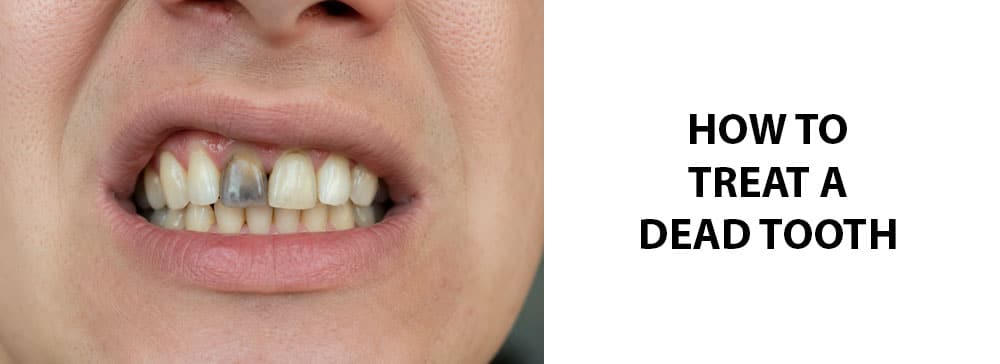
Keep in mind that a dead tooth doesn’t necessarily show obvious signs that it’s dead or look any different from a healthy tooth. They don’t have to be painful either. They can actually be a little tricky to identify for both these reasons. Discoloration is going to be one of the most recognizable signs. You might notice the tooth starts turning yellow, gray, brown, or even dark purple over time because the blood supply inside the tooth has been damaged or cut off.
In some cases, the tooth can also look dull compared to the surrounding teeth, almost like it’s lost its natural shine. You might also notice swelling around the gums, a small bump near the tooth, or signs of infection if things have progressed further.
What Causes a Tooth To Die?
Inside every tooth are nerves and blood vessels that help keep it alive and healthy. When that gets injured or infected, the tissue can eventually break down and die. Whether it happens from trauma to the tooth or because of an untreated dental problem, here are the most common reasons a tooth might die:
- Deep tooth decay that reaches the inner pulp
- Untreated cavities and dental infections
- Cracked or broken teeth that expose the nerve
- Trauma from sports injuries, falls, or accidents
- Repeated dental procedures on the same tooth
- Severe gum disease affecting the tooth’s support
- Teeth grinding or clenching
- Poor oral hygiene leading to decay
- Large, untreated abscesses near the root of the tooth
- Loss of blood supply after a hard impact to the mouth
How Long Does It Take For a Tooth To Die?
It’s really hard to give an exact timeline to this because a tooth can die slowly over time or fairly quickly, depending on what caused the damage. If the tooth experiences major trauma, like getting hit hard during sports or an accident, the nerve inside can die within days or weeks. Other times, it happens gradually from deep decay, infection, grinding, or repeated dental problems, and the process can take months or even several years before the tooth fully loses its blood supply and vitality.
Ways to Treat a Dead Tooth
The good news is that there are several highly effective ways to treat a dead tooth, depending on how much damage has already happened. Your dentist will usually look at things like the condition of the root, surrounding bone, and how much of the tooth structure is still healthy before recommending treatment.
1. Root Canal Treatment
One of the most common treatments for a dead tooth is a root canal. During this procedure, the infected or dead tissue inside the tooth is removed, the area is cleaned out, and the tooth is sealed to help prevent future infection. In many cases, this allows you to keep the natural tooth.
2. Tooth Extraction
Sometimes the tooth is too damaged, cracked, or infected to save. When that happens, an extraction might be your best option. Dentists often recommend replacing the missing tooth afterward with something like an implant, bridge, or partial denture to help maintain your bite and jaw structure.
3. Dental Crown Placement
After a root canal, the tooth can become weaker and more brittle over time. A dental crown is usually placed over the tooth to protect it and restore strength so you can chew normally again.
4. Antibiotics for Infection
If there is significant swelling, an abscess, or infection spreading into the gums or jaw, antibiotics will likely be prescribed. Antibiotics alone usually don’t fix a dead tooth, but they can help control infection before or alongside other treatment.
5. Dental Implant After Removal
If the tooth needs to be extracted, a dental implant is one of the more long-term replacement options. The implant acts like an artificial tooth root and helps keep the jawbone healthier over time.
6. Monitoring in Certain Situations
In rare cases where the tooth isn’t causing symptoms right away, a dentist may monitor it closely for changes. Even then, regular follow-ups are important because dead teeth can worsen without much warning.
How to Prevent a Dead Tooth
The best way to prevent a dead tooth is to catch problems early before they have a chance to reach the inner part of the tooth. Small cavities, minor cracks, and early gum issues are much easier to treat than deep infections that reach the nerve. Regular dental checkups and cleanings help spot those issues early, often before you even notice any symptoms yourself. Brushing, flossing, and keeping sugar-heavy foods and drinks in check also go a long way in protecting the enamel and lowering the risk of decay.
It’s also really important not to ignore dental injuries or unusual symptoms, even if they don’t seem like a big deal at first. A tooth that gets hit during sports, starts changing color, feels extra sensitive, or hurts when chewing may already be developing internal damage. Wearing a mouthguard during contact sports and addressing teeth grinding can help protect against trauma that slowly cuts off the tooth’s blood supply over time. Basically, staying proactive is what makes the biggest difference between a simple dental fix and losing the tooth altogether.
What Happens If You Don’t Treat a Dead Tooth?
Leaving a dead tooth untreated can lead to a lot more than just some discomfort and some discoloration. Since the inside of the tooth is no longer healthy, bacteria can grow and spread deep into the root and surrounding tissue. In a lot of cases, that eventually leads to infection, swelling, bad breath, pain when chewing, or an abscess near the gums.
Over time, the tooth itself will likely become weak and brittle, making it more likely to crack or break apart. The infection can also spread into your jaw, nearby teeth, or other areas of the body in certain severe situations. While that level of spread is unlikely, it’s one reason dentists usually recommend treating a dead tooth sooner rather than waiting for symptoms to become unbearable.
Symptoms & Treatments of a Dead Tooth Summary
A dead tooth is usually one of those issues that gets easier to deal with the earlier you catch it. Paying attention to changes in your teeth, even small ones, can make a big difference before things turn into painful and extensive dental work.
And if you really want to stay on top of your oral health while lowering the chances of a dead tooth happening in the first place, it helps to have a dental team you feel comfortable with. At Utah Periodontal Specialists, our friendly staff is here to help you stay proactive about your gums, teeth, and overall oral health. We have convenient locations near Bountiful, Draper, and Lehi, making it easier than ever to schedule an appointment that fits your lifestyle and routine.
Frequently Asked Questions About a Dead Tooth
Can a dead tooth heal on its own?
No, a dead tooth can’t heal on its own because the nerve and blood supply inside the tooth have already been damaged. Treatment is usually needed to prevent infection and more serious complications.
What does a dead tooth look like?
A dead tooth may appear gray, yellow, brown, or darker than the surrounding teeth. Some people also notice swelling around the gums or a small bump near the tooth.
Does a dead tooth always hurt?
Not always. Some dead teeth are very painful, while others cause little to no pain after the nerve inside the tooth dies.
How do dentists treat a dead tooth?
Treatment often involves a root canal to save the tooth or an extraction if the tooth is too damaged to repair. In some cases, a dental crown or implant might also be recommended.
What causes a tooth to die?
Common causes include deep cavities, untreated infection, cracked teeth, trauma to the mouth, and severe gum disease that affects the tooth’s blood supply.
Is a dead tooth considered a dental emergency?
It can become one if there is swelling, severe pain, fever, or signs of infection spreading. It’s always best to have a dead tooth evaluated as soon as possible.
Can a dead tooth make you sick?
If infection develops and spreads, it can lead to swelling, fever, bad breath, and other health complications. That is one reason prompt treatment is so important.
How can you prevent a dead tooth?
Good oral hygiene, regular dental visits, treating cavities early, and protecting your teeth from injury can all help lower the risk of a dead tooth.
Can a dead tooth be saved?
Yes, in many cases a dead tooth can still be saved if it’s treated early enough. A root canal is one of the most common ways dentists remove the damaged tissue and preserve the natural tooth. However, if the tooth is severely cracked, infected, or structurally damaged, an extraction may be the better option.
Recent Comments