

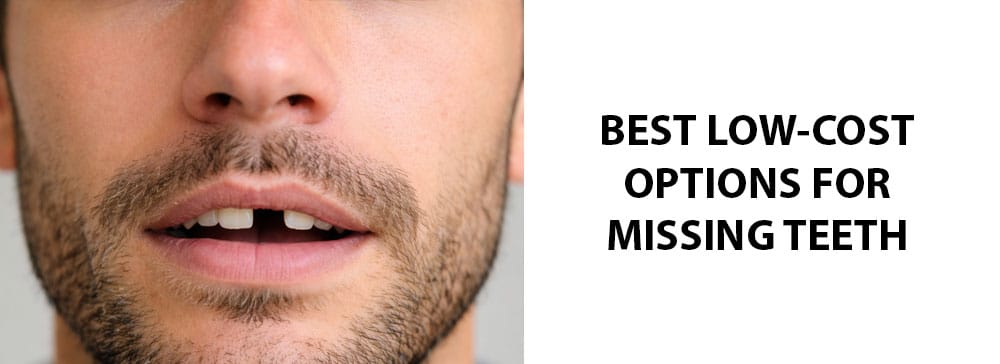
If you’ve ever had to deal with a missing tooth, you know that replacements can be very expensive. However, there are some low-cost options for missing teeth that are definitely worth exploring. It’s really helpful to know what your options are when it comes to something as important as your smile, from both a functional and cosmetic standpoint. Along with explaining replacement options, we’ll talk about the different ways to finance your treatment as well as other helpful things to consider. If you need a tooth replacement in Utah, we have offices conveniently located near Bountiful, North Salt Lake, Draper, and West Valley.
Low-Cost Options For Missing Teeth
1. Flippers
The typical cost for a flipper is usually around $300 to $1,000. Flippers are often the cheapest way to replace a missing tooth. They’re lightweight, removable, and commonly used as more of a temporary fix. Many people get one after a tooth is removed, so they don’t have to deal with a visible gap while waiting for a more permanent solution. They’re quick to make and easy to wear, which helps keep the price down. The downside is durability. Flippers just aren’t built for serious chewing and can feel fragile, but they work well when budget is the main concern.
2. Removable Partial Dentures
The average cost of removable partial dentures ranges from $700 to $2,500. Partial dentures replace several missing teeth and attach to nearby teeth for support. They cost more than flippers but still stay on the affordable end of the spectrum. This is typically the next step when someone needs something sturdier for everyday use. Many people like partials because they restore appearance and basic chewing ability without jumping into the higher-priced options.
3. Full Dentures
You can plan on spending around $1,500 to $3,500 per arch when you go this route. Full dentures are used when all teeth in the upper or lower jaw are missing. While they cost more than partials, they’re still considered one of the more budget-friendly long-term solutions. Keep in mind that there is usually an adjustment period, especially with eating and speaking. Most patients adapt without too much of a problem and find dentures to be a great way to restore their smile without the overwhelming costs.
4. Dental Bridges
Dental bridges usually range from $2,000 to $5,000, depending on size and materials. Bridges replace one or more missing teeth by anchoring to neighboring teeth. They’re fixed in place, which many people prefer over the removable options. They work well when nearby teeth already need crowns.
5. Implant-Supported Dentures
With this option, plan on spending between $6,000 and $15,000 per arch. Implant-supported dentures use a small number of implants to secure a denture. This added support greatly improves stability compared to traditional dentures. A lot of people choose this option because it reduces slipping and makes eating more comfortable. It sits in the middle ground between traditional dentures and full implant restoration costs.
6. Single Dental Implants
Plan on paying around $3,000 to $5,000 per tooth for this kind of procedure, but we can do it at our office for about $2,000 per implant without insurance. A single implant replaces one missing tooth from root to crown. It looks and functions more like a natural tooth than any other option or treatment out there. While the upfront cost is higher, implants don’t rely on nearby teeth. Many patients see them as a long-term investment that can last decades with proper care and maintenance.
7. Full Arch Implant Systems
These implant systems can range as high as $15,000 to $30,000 or more per arch. Full arch systems use a small number of implants to support an entire row of teeth. This is the most expensive option, but also the most stable and long-lasting. For people missing most or all teeth, this can be life-changing to say the least. It restores confidence, comfort, and chewing ability in a way other options simply can’t.
What Happens If You Don’t Replace Missing Teeth
If your missing tooth isn’t causing you pain or discomfort and isn’t super obvious, it’s easy to put off getting it replaced. Over time, though, the space can start to affect how your mouth works in subtle ways you might not expect. Nearby teeth may slowly shift into the open spot, which can change how your bite feels when you chew and talk.
Missing teeth can also subtly change how you eat day to day. You might notice yourself favoring one side of your mouth without realizing it. Over time, that extra pressure can leave your jaw sore and cause uneven wear on certain teeth. Some foods slowly fall off your menu because they feel harder to chew.
Having a missing tooth can also really affect your confidence. Even if no one else is paying attention, it can feel like it’s the first thing everyone sees when you smile. Most people don’t realize how much it affects them until they eventually get it fixed. Replacing missing teeth isn’t just about looks, it often helps people feel more like themselves again.
Financing Options
Figuring out the best way to financially cover missing teeth replacement costs can be extremely daunting. The good news is that there are actually a variety of different ways to go about it that make it much less painful on the pocketbook. Each financial option works a little differently and can fit different budgets and timelines.
Below is a closer look at the most common financial options available:
Dental Insurance Benefits
Dental insurance may cover a portion of major procedures after a waiting period. For example, your plan might pay a percentage up to its annual maximum. This can reduce the total amount you need to finance out of pocket.
In-House Payment Plans
Some dental offices let you divide treatment costs into monthly payments without charging interest. This is helpful if you want predictable payments without using outside lenders.
Third-Party Healthcare Financing
These companies focus specifically on medical and dental expenses. They often approve applications quickly and offer multiple term lengths. This would allow you to choose lower monthly payments over a longer period of time.
Health Savings Accounts (HSA)
HSAs allow you to pay for dental care using pre-tax dollars. This can stretch your money further compared to painfully pulling straight from your savings.
Flexible Spending Accounts (FSA)
FSAs also use pre-tax money, but must be used within the plan year. They work well if you know treatment is coming and can set money aside ahead of time.
Care Credit Style Programs
These programs are generally used for higher-cost dental treatments. They often offer interest-free periods if paid off on time. For example, multiple implants might qualify for promotional financing options.
Insurance Coverage for Missing Teeth
Dental insurance can be confusing, whether you’re dealing with a simple cavity or a much more complicated treatment. Most plans don’t cover everything, but will help offset part of the cost for major procedures. Coverage is usually split into categories like preventive, basic, and major services, with missing tooth treatments falling into the major category. That means insurance may cover a percentage of the cost up to an annual maximum rather than paying the full amount.
If you know an expensive procedure is coming, having dental insurance in place ahead of time can make a huge difference. Many plans have waiting periods for major work, so signing up early matters. Once that waiting period is met, insurance can reduce what you pay out of pocket and make larger treatments more manageable. Even partial coverage can ease the financial pressure when costs start adding up.
Planning around insurance also gives you more flexibility with timing. You might be able to spread treatment across benefit years to maximize coverage. Knowing how your plan works allows you to use those benefits strategically instead of leaving them on the table.
How Long Do Different Tooth Replacements Last?
Each replacement option we’ve mentioned comes with its own set of pros and cons. While they all serve the same basic purpose, they vary quite widely in longevity. For example, dentures usually work well at first, but they aren’t necessarily a lifetime solution. Most people can expect to replace them every 5 to 8 years. Even before that, small changes in your gums and jaw can make them feel loose or less comfortable. It’s fairly common to need adjustments every few years just to keep them fitting the way they should.
While implants are more expensive upfront, they’re definitely one of the best long-term choices. Because they’re anchored into the jaw, they don’t shift as your mouth changes. With good daily habits and regular dental visits, implants can last more than 20 years.
Low-Cost Options For Missing Teeth Conclusion
Nobody wants to deal with the frustration of a missing tooth. But if you’re in that situation, it’s best to do your homework and know the cheap options for missing teeth, along with the benefits of the more expensive ones. There certainly are low-cost ways of going about it, but they might not be the most durable down the road.
If you’re in the Salt Lake City or South Jordan areas and need a trusted opinion, come see our experienced staff at Utah Periodontal Specialists. We’ll go over what treatment will work for your unique situation and help you understand the best financial options available.
Recent Comments