

Most people don’t think much about their gums until something feels really off or they see blood in the sink after brushing. That’s usually when the difference between healthy vs unhealthy gums starts to matter in a really big way. This article breaks down what those differences actually look and feel like, why changes can happen so quickly, and how small signs can point to bigger issues. The goal is to make gum health easier to understand without overthinking it or turning it into something intimidating. We’ll also cover ways to help prevent future damage so small issues don’t turn into bigger ones later on. If you need fractured tooth replacement in Utah, we have offices conveniently located near Bountiful, North Salt Lake, Lehi, and West Jordan.
What Do Healthy Gums Look Like?
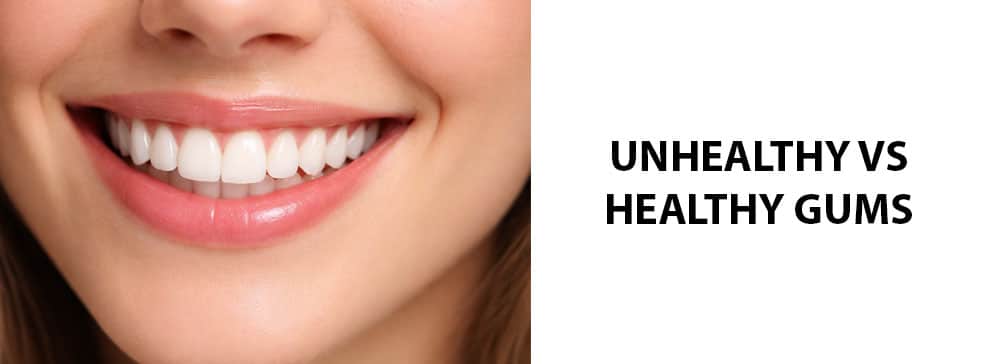
Healthy gums are usually a light to medium pink and look firm, not puffy or swollen. They sit snug around your teeth, almost like a collar, without pulling away or looking shiny. When you brush or floss, they shouldn’t bleed, and they shouldn’t feel sore or tender. If you run your tongue along them, they’ll feel smooth and tight, not spongy. Basically, they look calm and well-attached, not irritated or inflamed.
Another good sign is how they act day to day. Healthy gums don’t hurt, don’t throb, and don’t cause bad breath that won’t go away. Your teeth also won’t look extra long from the gums pulling back. If your gums stay the same color, don’t bleed, and feel comfortable most of the time, that’s usually a sign they’re doing their job and staying healthy.
Are There Immediate Signs Gums are Unhealthy?
Sometimes, unhealthy gums show up fast, almost out of nowhere. You brush like normal and suddenly see pink on your toothbrush. Or your gums feel sore and irritated the same day, even though you didn’t change anything. They can feel tight, puffy, or uncomfortable in a way that’s hard to ignore, especially when you’re eating or brushing.
You might also notice your mouth just doesn’t feel clean, even right after brushing. Your gums can feel tender to the touch, and food might start getting stuck more easily around certain teeth. Breath issues can pop up quickly, too, like a bad taste that comes back within hours. These are the kind of immediate signs your gums use to get your attention before bigger problems have time to develop.
What throws people off is that these signs can feel sudden, even though they’ve been building quietly behind the scenes. Plaque can sit along the gumline without causing pain at first, then suddenly irritate the tissue once it reaches a tipping point. Stress, getting run down, changes in routine, or even skipping flossing for a short stretch can also make your gums more reactive.
What Happens If Unhealthy Gums are Untreated?
If you don’t give any attention to gums that are struggling, plan on seeing things go downhill quickly. What might start as a little bleeding or soreness can slowly turn into more serious swelling, and your gums may even pull back from the teeth. Your teeth can start feeling more sensitive, look longer, or feel unstable when you chew.
This is when you need to start worrying about the real concern, which is gingivitis and periodontitis. Gingivitis is the early stage of gum disease, and while it’s pretty common, it’s still a serious warning sign. The good news is that if you catch it early enough, it’s often reversible at this stage. Periodontitis is more advanced and more permanent. It leads to gum recession, bone loss, and even tooth loss if it keeps progressing.
How Gum Health Affects Your Overall Health
A lot of people don’t realize that gum health can influence parts of your body you wouldn’t normally connect to your smile. Ongoing gum inflammation allows bacteria to enter the bloodstream, which can trigger inflammation elsewhere. Research has linked poor gum health to a higher risk of heart disease, since chronic inflammation can affect blood vessels and contribute to plaque buildup in the arteries.
Gum issues have also been connected to complications with blood sugar control, respiratory infections, and even joint inflammation. When your immune system is constantly dealing with bacteria from the mouth, it has less capacity to manage other areas of the body. This doesn’t mean gum problems directly cause these conditions, but they can make existing issues harder to manage and recovery slower.
What Causes Unhealthy Gums?
Most gum problems aren’t caused by one big thing. It’s usually a few small habits stacking up over time. Here’s a list of the most common contributors to unhealthy gums:
Plaque Buildup
Plaque is sticky and easy to miss, especially along the gumline and around molars. When it sits there, it constantly irritates the gums, which can trigger redness and swelling faster than you might expect.
Inconsistent Brushing or Flossing
Even brushing daily isn’t always enough if certain areas get skipped. Bacteria love those hard-to-reach spots between teeth, and flossing gaps give them time to multiply and irritate the gums.
Stress
When stress is high, your body focuses on survival, not healing. That can make your gums react more strongly to bacteria they might normally handle without a problem.
Smoking or Vaping
Tobacco reduces oxygen and blood flow to gum tissue. This slows healing and can mask other underlying problems.
Hormone Changes
Hormonal shifts increase blood flow to the gums, making them more reactive. That’s why gums can suddenly feel tender or swollen even when your normal routine hasn’t changed.
Dry Mouth
Saliva helps wash away bacteria and balance acids. When your mouth is dry, bacteria stick around longer and irritate the gums much more easily.
Poor Diet
Diets high in sugar feed bacteria, while low nutrients make it harder for gums to repair themselves. Over time, this combo weakens gum tissue.
Grinding or Clenching Teeth
Constant pressure stresses the gums and the bone underneath. This can lead to soreness, inflammation, and changes around the gumline.
Certain Medications
Some medications reduce saliva or cause gum tissue to swell. This creates an environment where bacteria can thrive more easily.
Skipping Regular Cleanings
Once plaque hardens into tartar, brushing won’t remove it. Tartar keeps irritating the gums until it’s professionally cleaned away.
Diabetes
When blood sugar isn’t well controlled, it can weaken your body’s ability to fight infection. That makes it easier for bacteria in the mouth to irritate the gums and harder for gum tissue to heal once it’s inflamed. People with diabetes may notice gum issues show up faster and linger longer, even when they’re brushing and flossing just as recommended.
How To Improve Gum Health
Improving your gum health doesn’t have to feel overwhelming or even clinical. Most of it comes down to being a little more intentional with habits you already have, and sticking with them long enough to make a difference. Small, consistent changes usually do more for your gums than going all-in for a week and then falling off. Adding a little more focus to your daily routine can make a real difference in the long run.
One of the biggest things is brushing with purpose, not just rushing to get it done. Slowing down and spending extra time along the gumline helps more than brushing harder ever will. A soft-bristled brush, gentle pressure, and consistent flossing go a long way in keeping bacteria under control. Staying hydrated also matters more than people think. Drinking enough water helps your mouth stay balanced and gives your gums a better chance of staying healthy throughout the day.
Why Improve Your Gum Health
The biggest and most obvious reason to stay on top of your gum health is to protect your teeth. It’s really easy to take having healthy, working teeth for granted, especially when you aren’t experiencing any pain or other problems. Receding gums can lead to your teeth loosening and eventually falling out. Serious gum disease is the number one cause of tooth loss in adults.
Another reason to make your gums a priority is how much they affect your everyday life. Gum issues can slowly change how you eat without you even realizing it. You might start avoiding crunchy foods, chewing on one side, or taking smaller bites just to stay comfortable. Over time, those little adjustments add up and can take some of the enjoyment out of meals you’ve always looked forward to.
There’s also the confidence factor. Ongoing gum problems can affect your breath, your smile, and how comfortable you feel talking to people up close. It’s hard to relax when you’re constantly aware of your mouth.
When To Call a Periodontist
If the issue feels localized, persistent, or deeper than surface-level discomfort, that’s usually when a periodontist makes sense. This is especially the case if your mouth is noticeably bothering you and won’t settle down. It’s less about panic and more about realizing something isn’t resolving on its own.
Here are some very specific moments people often point to that convince them to schedule an appointment:
- A tooth feels loose or shifts when you bite or chew
- You notice pus, a recurring sore, or a bad taste coming from one spot
- Your bite suddenly feels off, like your teeth don’t line up the same
- You have ongoing discomfort that doesn’t improve after changing brushing habits
- You notice visible changes in your gumline that keep getting worse
- You’ve already had dental work, but the problem keeps coming back in the same area
Healthy Gums vs Unhealthy Gums Conclusion
Making your gum health a top priority isn’t about being perfect, just about consistency and awareness. Making sure to keep brushing and flossing as part of your daily routine can really help protect your smile from bigger issues down the road.
So, if you think you’re seeing signs of gum disease or you simply want to stay consistent with appointments and build strong habits, come see our friendly, experienced team at Utah Periodontal Specialists. With locations in South Jordan and Salt Lake City, it’s easy to get the care you need without having to go too far out of your way.
Recent Comments