

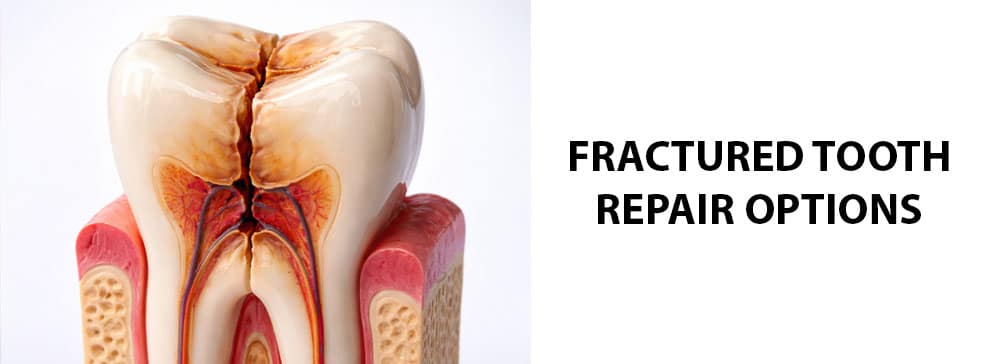
A fractured tooth can catch you off guard because there might not always be a visible crack or break. Most people don’t think about fractured tooth repair until chewing starts to feel a bit different or they notice a sharp twinge of pain. In this article, we’ll walk through what leads to these fractures, the signs your tooth may be trying to warn you, and how they’re best treated. We’ll also cover ways to help prevent future damage so small issues don’t turn into bigger ones later on. If you need fractured tooth replacement in Utah, we have offices conveniently located near Bountiful, North Salt Lake, Lehi, and Draper.
What is a Fractured Tooth?
A fractured tooth is basically a tooth that’s been damaged enough to crack, split, or break instead of staying solid. Think of it like a small crack in a windshield. It might not fall apart right away, but the structure isn’t as secure as it used to be. Sometimes it’s obvious, like a piece breaking off. Other times, it’s more subtle and only shows up as discomfort when you chew or bite just the wrong way.
What makes fractured teeth tricky is that they don’t always hurt nonstop. You might feel fine most of the day, then get a sharp zing out of nowhere while eating. That’s because the tooth is flexing slightly where it’s damaged. It’s still there and doing its job, just not as strong as it should be anymore.
Types of Fractured Teeth
There are a few different types of fractured teeth, and they don’t all feel or behave the same:
- Craze lines – Tiny surface cracks in the enamel that are usually harmless and more cosmetic than anything.
- Cracked tooth – A crack that runs from the chewing surface downward but hasn’t split the tooth apart.
- Split tooth – When a crack deepens enough that the tooth separates into distinct sections.
- Chipped tooth – A small piece breaks off, often without much pain, especially if it doesn’t reach deeper layers.
- Fractured cusp – A break that involves one of the pointed chewing edges, often around an old filling.
- Vertical root fracture – A crack that starts in the root and works upward, which can be hard to spot at first.
Is a Fractured Tooth Serious?
It can be, but it really depends on the type of fracture. Some fractured teeth are minor and more annoying than dangerous, especially if they’re caught early. Others can turn serious if the crack spreads, lets bacteria in, or affects the nerve or bone around the tooth. That’s when pain, infection, or tooth loss can come into play.
Symptoms of Fractured Teeth
Symptoms of a fractured or cracked tooth don’t always show up in obvious ways. A lot of people notice something that just feels “off” before they feel real pain. You might catch yourself chewing more carefully or avoiding one side of your mouth without even realizing why. It’s often less about constant discomfort and more about subtle changes in how your bite feels.
Pain can be unpredictable. One day the tooth feels fine, and the next you get a quick jolt when you bite down or let go of your bite. Temperature can trigger it too, especially with cold drinks or air hitting the tooth. The sensation usually doesn’t linger, which is part of why people brush it off at first.
Gums around the tooth can also give clues. Tenderness, mild swelling, or sensitivity near one specific tooth can point to a crack even when the tooth itself looks normal. Over time, those small signals tend to get louder, not quieter. That’s usually when people realize it’s more than just a random ache and worth having checked out.
Fractured Front Tooth Repair
Fractured front tooth repair tends to get attention much faster than other tooth issues, mostly because it’s right there in your smile. Even small cracks can feel like a big deal since front teeth are more exposed and easier for people to notice. These fractures generally happen from everyday accidents, like bumping your mouth or biting into something harder than expected. The good news is that front teeth are often caught early, which can be repaired more straightforwardly and focused on keeping the tooth looking natural.
Causes
Most fractures stem from stress on an already vulnerable tooth. We’ve compiled a list of the most common reasons a tooth might fracture:
- Biting down on hard foods like ice, nuts, or hard candy
- Old fillings or dental work that weaken the tooth over time
- Teeth grinding or clenching, especially during sleep
- Trauma or injury, like a fall or getting hit in the mouth
- Sudden temperature changes, such as hot coffee followed by cold water
- Large cavities that leave the tooth structure thin
- Using teeth as tools to open packages or bottles
- Normal wear and tear, especially as teeth age
How They’re Diagnosed
Diagnosing usually starts with a conversation between you and your dentist about what exactly you’re feeling, when the pain shows up, and whether it happens when chewing or releasing your bite. These are minor details, but they matter in pinpointing cracks that aren’t always obvious.
Next comes a close-up exam. Dentists use bright lights, magnification, and special tools to look for tiny lines or changes in the tooth surface. Sometimes they’ll have you bite on a small instrument to see if pressure triggers pain in a specific spot. That reaction can be a big clue, even when the fracture can’t be seen right away.
X-rays are generally part of the process, too, though they don’t always show cracks directly. Instead, they help rule out other issues and check what’s happening below the surface, like changes near the root or surrounding bone. In some cases, a fracture only becomes clear over time, which is why follow-up visits can be part of the diagnosis.
How Fractured Teeth are Treated
Depending on how deep the fracture goes, treatment typically involves reinforcing the tooth so it can handle normal biting and chewing again. In many cases, that means covering or supporting the damaged area rather than removing the tooth. Saving the tooth is always the top priority.
Front teeth and molars are often treated a bit differently because they do very different jobs. Front teeth are more about appearance and light biting, so treatment usually prioritizes how the tooth looks along with strength. Small cracks in front teeth may be treated more conservatively to preserve their natural appearance. Molars, on the other hand, take on heavy chewing forces. Because they do most of the work, treatment for cracked molars focuses more on durability and preventing the tooth from splitting further under pressure.
Here are the most common treatments recommended when it comes to fractured tooth repair:
- Dental bonding
- Dental crown
- Onlay or inlay
- Root canal treatment
- Night guard
- Tooth extraction (when it can’t be saved)
How Long Does It Take To Fix?
Some fixes can be handled in just one visit, especially if the fracture is caught early and doesn’t involve deeper structures. Other situations may take a couple of appointments, usually spread out over a few weeks, to make sure everything heals properly and the tooth stays stable.
Can You Fix a Fractured Tooth At Home?
The short answer is no. There’s not really anything you can do at home when it comes to cracked tooth repair. Once a tooth is fractured, the structure itself is damaged, and no DIY fix can put it back together. Things like over-the-counter dental cement or temporary kits might help cover a sharp edge or reduce sensitivity for a short time, but that’s not a realistic, long-term fix. They don’t actually repair the tooth or stop the crack from getting worse.
At home, the best you can do is manage symptoms until you can see a dentist. That usually means avoiding chewing on that side, staying away from hard or sticky foods, and keeping the area clean. If it’s painful, mild pain relievers can help, but the real fix will always require professional care. Home remedies might buy you some time, but they won’t fix the problem.
What To Expect in Treatment
- Before Treatment
Before anything happens, you’ll talk to your periodontist about what’s bothering you and figure out what the goal is. You’ll get a clear explanation of the plan, possible options, and what the next steps look like. No surprises, just clarity so you know what’s coming next and can be prepared.
- During Treatment
During treatment for a fractured tooth, the focus is on stabilizing and protecting what’s still healthy. The area is numbed so you’re comfortable, then the provider addresses the damaged portion of the tooth. That might mean smoothing rough edges, reinforcing the tooth, or working around the root or surrounding tissue if the fracture goes deeper.
- After Treatment
During recovery, you might have some soreness or tenderness, but it’s typically short-lived and easy to manage at home. You’ll get clear instructions on what to avoid, how to keep things clean, and what’s normal as you heal.
How To Prevent Fractured Teeth
The best way to ultimately prevent a fractured tooth is to cut down on the stress that your teeth deal with on a regular basis. Most damage happens slowly, not from one big moment like you might think. Small habits add up over time, especially when teeth are already under pressure from normal use.
Here are some simple, practical ways to help prevent fractures:
1. Wear a night guard if you clench or grind while sleeping
2. Use your back teeth for chewing, not your front teeth
3. Cut hard foods into smaller pieces instead of biting straight in
4. Keep up with regular dental checkups to catch weak spots early
5. Replace worn or damaged dental work before it fails
6. Avoid chewing on non-food items like pens or fingernails
7. Protect your mouth with a guard during sports or physical activities
8. Address jaw pain or bite issues instead of ignoring them
When To See a Periodontist
You know it’s time to see a periodontist when the problem starts feeling bigger than just a random annoyance. If you notice ongoing gum pain, swelling, bleeding, or a feeling of pressure deep in the jaw, that can be a sign that the issue goes below the surface. The same goes for teeth that feel loose or gums that are pulling back. Periodontists focus on the structures that support your teeth, so when the gums or bone might be involved, that’s when seeing one makes sense rather than waiting it out.
Fractured Tooth Repair Conclusion
Fractured teeth are less about sudden emergencies and more about paying attention to small changes before they grow into really big problems. Knowing what to watch for and acting early can make the whole experience far less stressful. Teeth are meant to last, and a little awareness goes a long way in keeping them strong.
If you think you might have a cracked or fractured tooth, give us a call and schedule an appointment with our friendly, experienced staff at Utah Periodontal Specialists. With locations in Salt Lake City and South Jordan, it’s easy to stay on top of your oral health without going too far out of your way.
Recent Comments