

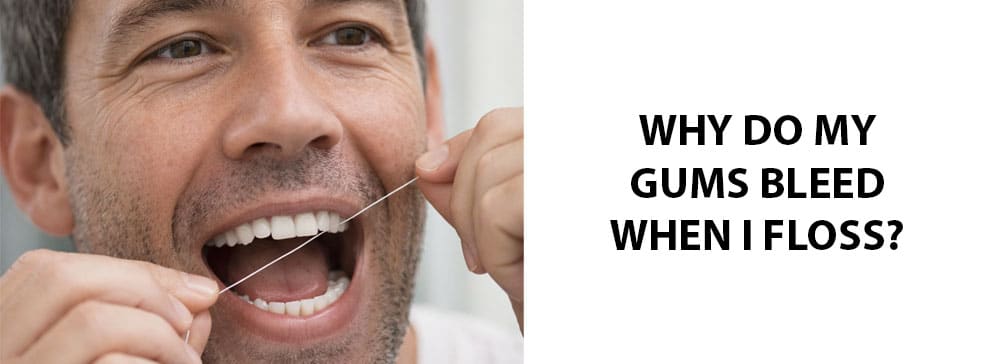
You’re standing at the sink, half awake, just trying to get through your routine, when you see pink in the sink. Almost everyone has had that moment where the first thought is, Why do my gums bleed when I floss? Blood instantly grabs your attention because it usually means something is wrong and can even be a bit scary. It can really make you worry, or even consider skipping flossing altogether. In reality, your gums are trying to tell you something important. Look at it as a signal worth listening to, not something to panic about. If you need a periodontist in Utah, we have offices conveniently located near West Jordan, North Salt Lake, Draper, and Lehi.
Top Reasons Gums Bleed
Understanding the most common reasons behind bleeding gums can be really helpful in knowing what steps to take next. We’ve compiled a list below:
-
Not Flossing Regularly
Not flossing is by far the biggest reason gums bleed, and it’s incredibly common. Many people brush every day but skip flossing because it’s time-consuming and lets be honest, is a bit tedious. Plaque quietly builds up between teeth where your brush never reaches. The gums get irritated long before you notice anything. When you finally floss, they bleed because they’ve been dealing with that buildup for a while.
-
Flossing Incorrectly
Flossing can cause bleeding if it’s done too aggressively. A lot of people snap the floss down without thinking about it. That quick motion can nick the gums and leave them sore. It might feel like you’re being thorough, but your gums don’t love it. Slowing down and using a gentler motion usually makes a big difference.
-
Using The Wrong Toothbrush
Your toothbrush might actually be working against you. Many people assume a firmer brush cleans better. In reality, hard bristles can slowly wear down gum tissue. Over time, brushing can feel uncomfortable or cause bleeding. Switching to a soft-bristle brush feels better almost immediately. Your teeth still get clean without beating up your gums.
-
Gum Inflammation or Early Gum Disease
Bleeding gums are often the first sign that something is brewing along the gumline. Bacteria sit there quietly and trigger inflammation. You might not feel pain, but the gums become swollen and sensitive. Bleeding is often the first noticeable clue. Catching this early is huge because it’s much easier to manage at this stage.
-
Hormonal Changes
Hormones can make gums act differently than usual. This is most common during pregnancy, menopause, or certain stressful points in life. Increased blood flow can make gums puffier and more reactive. Suddenly, brushing feels harsher than it used to. Bleeding can show up even if your routine hasn’t changed. It’s frustrating, but also very normal.
-
Puberty
Puberty is a time when everything feels a little unpredictable, including oral health. Hormonal shifts can make gums extra sensitive to plaque. Even teens who brush regularly might notice bleeding. It’s not always just a sign of bad habits. Staying consistent with brushing and flossing usually helps settle things down over time.
-
Medications or Health Conditions
Some medications make gums bleed more easily than expected. Blood thinners are a common example. Certain health conditions can also affect how gums respond to irritation. Dry mouth can make things worse by reducing saliva. If bleeding feels excessive or never improves, that is worth checking out.
How To Stop Gums From Bleeding While Flossing
If your gums bleed while flossing, the worst thing you can do is stop altogether. Bleeding is generally a sign that your gums are inflamed, not that flossing is harmful. Skipping flossing allows bacteria to stay trapped between teeth. That irritation builds over time and keeps the bleeding cycle going. Staying consistent gives your gums a chance to heal instead of staying inflamed.
How you floss matters just as much as how often. Take your time and slow the process down. Let the floss slide gently along the side of each tooth rather than forcing it. Focus on control instead of speed. When flossing becomes more intentional, gums tend to feel less sore and bleed less often.
If traditional floss just doesn’t work for you, there are other solid options. Floss picks are popular because they’re easier to handle and more convenient. Water flossers use a steady stream of water to clean between teeth and along the gumline. Many people with sensitive gums find them more comfortable. These tools are effective when used consistently and correctly. The best flossing tool is the one you will actually use every day.
What Do Healthy Gums Look and Feel Like?
1. Color and Appearance
Healthy gums are usually a light pink color, though some variation is normal. They fit closely around each tooth without gaps. Redness, swelling, or puffiness should not be present. A smooth, even gumline is a strong sign of good gum health.
2. Texture and Comfort
Healthy gums feel firm to the touch, not soft or spongy. Brushing and flossing should feel comfortable. There should be no lingering soreness or sensitivity. When gums are healthy, you rarely think about them during the day.
3. Response To Daily Habits
Healthy gums don’t bleed when you brush or floss. Eating shouldn’t cause discomfort. Bad breath is less likely to stick around. Consistent, predictable behavior usually means your gums are in good shape.
What To Do If They Won’t Stop Bleeding
Persistent bleeding usually means there’s something deeper going on. Home care can only do so much when irritation sets in below the gumline. Getting it looked at sooner rather than later can prevent bigger issues from snowballing later on.
It also helps to pay attention to what else you’re noticing day to day. Gums that feel sore, look puffy, or bleed outside of flossing are all important signs. Ongoing bad breath can be another clue that something is off. When these things show up together, it’s usually more than a minor irritation.
Knowing when to see a periodontist doesn’t have to be complicated. If bleeding sticks around for a couple of weeks despite good habits, that’s your queue to take action. A periodontist is focused on gum health at a much deeper level. It can be a huge relief to get clear answers and a plan moving forward from a trusted pro. Taking that step often brings peace of mind along with healthier gums.
Why Do My Gums Bleed When I Floss Conclusion
Bleeding gums are easy to ignore until it starts happening all the time. Looking at the bigger picture helps you understand what your gums are reacting to. Small habits, daily routines, and consistency all play a role in how your gums behave over time. When you pay attention early, it makes it that much easier to get things back on track and avoid bigger, more painful concerns down the road.
And, if you’re looking for a trusted periodontist, schedule an appointment with our friendly staff at Utah Periodontal Specialists. We take the time to listen and look deeper so nothing is missed. Our team can help you understand exactly what’s going on with your gums and guide you toward the next steps.
Recent Comments