

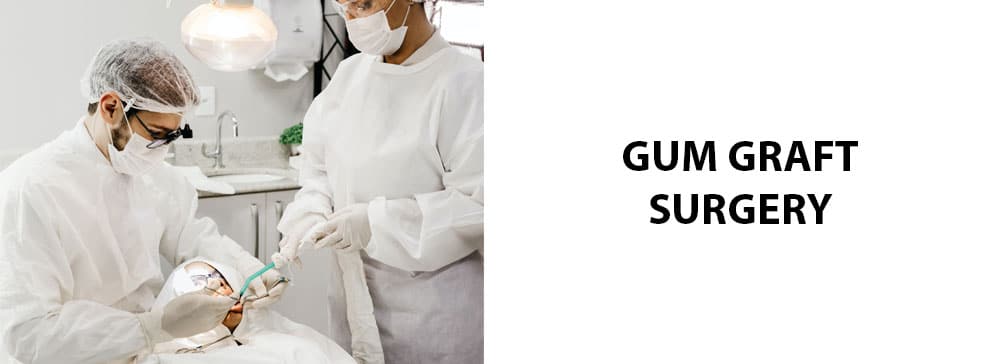
You’ve probably heard of gum graft surgery, but you might not be totally sure what it is or when it’s needed. Gum grafting basically helps cover thinning or receding gums. This treatment has a very high success rate and can greatly reduce your risk of gum disease. Continue reading, and we’ll go over all the details, including cost, recovery, risks, and more. If you need a periodontist in Utah, we have offices conveniently located near West Valley, North Salt Lake, Sandy, Draper, and Herriman.
What Is Gum Graft Surgery?
Gum graft surgery is a simple procedure dentists use to fix receding gums. When your gums pull back, they expose the roots of your teeth, which can make your smile look uneven and leave your teeth extra sensitive. A graft basically adds new gum tissue where it’s needed so your gums can protect your teeth again. In short, it helps prevent further recession, reduces sensitivity, and keeps your smile healthier in the long term.
How Common Is It?
Gum graft surgery is way more common than most people realise. A lot of people deal with gum recession at some point, usually from brushing too hard, genetics, grinding, or just getting older. So, gum grafts end up being a routine fix.
Periodontists perform these procedures all the time, and they’ve become a standard part of treating gum recession. It’s not unusual for many patients to get more than one graft over their lifetime as their gums change. Because it’s so common, the techniques have become very refined, which makes the process smoother, quicker, and easier to recover from than most people expect.
Gum Graft Surgery Cost
Gum graft surgery costs can vary quite a bit, but most people pay somewhere between $600 to $3,000, depending on how many teeth are treated. A single tooth or a small area usually sits on the lower end, while multiple grafts or more involved procedures will cost more. The type of graft makes a difference, too, since using your own tissue is often less expensive than donor tissue. Prices can also shift depending on your location and the specialist you see.
Insurance might also pitch in if the procedure is considered medically necessary. When gum recession puts your teeth at risk, many dental plans will cover part of the cost. Coverage typically lands around 50%, sometimes more. If the graft is done only for cosmetic reasons, insurance usually won’t contribute. Check with your insurance ahead of time so you know how to budget for the treatment without any surprises.
What Happens Before
Before gum graft surgery, your periodontist will walk you through a few simple steps to make sure everything goes smoothly. The goal is to check the health of your gums, plan the graft, and get you comfortable with what to expect. We’ve made a list of what should be done before you move forward with surgery:
- A full exam to measure how much your gums have receded
- X-rays to check bone levels and spot any hidden issues
- A cleaning to remove plaque and tartar, so the area is healthy for surgery
- A review of your medical history and any medications you take
- A talk about the type of graft recommended and what the plan looks like
- Instructions for the day of surgery, such as eating, drinking, or medication adjustments
What Happens During Gum Graft Surgery
During the actual gum grafting surgery, your periodontist starts by numbing the area so you stay comfortable the entire time. Once everything is fully numb, they prepare the recession site by gently cleaning and shaping the area where the new tissue will go. This gives the graft a healthy surface to attach to and helps it heal more smoothly.
Next, they collect the graft tissue. If your own tissue is being used, a small section is taken from the roof of your mouth or from a nearby area with healthy, thick gum. If donor tissue is being used, the graft is simply prepared and trimmed to the right size. The periodontist then positions the new tissue over the exposed root and secures it with tiny stitches. These stitches hold the graft in place and help it bond with your natural gum.
Once everything is secured, the area is rinsed and checked to make sure the graft sits exactly where it should. If tissue was taken from the roof of your mouth, that spot is also closed or protected so it can heal.
Gum Graft Surgery Recovery
Plan on being sore for a few days, especially if tissue was taken from the roof of the mouth. Over-the-counter pain relief is typically enough to stay comfortable. Your doctor will usually recommend sticking to soft foods, avoiding brushing the graft area, and skipping strenuous exercise for a bit. You should also get advice on how to keep the area clean without disturbing the stitches, which often means using a special rinse instead of brushing. Swelling is totally normal, and cold compresses can help during the first day or two.
How Long Does Gum Graft Surgery Take?
The whole procedure usually takes less than an hour for a single area, but more time is needed if you’re treating several spots at once. Keep in mind that the numbing and prep usually take just as much time as the grafting itself. Once everything is stitched into place, you’re heading home shortly after.
How Long Do Stitches Stay In?
Stitches from gum graft surgery usually stay in for about one to two weeks. Some types dissolve on their own, while others need to be removed by your periodontist at a follow-up visit. Your doctor will let you know which kind you have. Either way, they’re meant to hold the graft securely while the tissue starts bonding and healing in place. Most people barely notice them after the first day or so, especially as the soreness starts to go away.
1 Week Gum Graft Surgery Healing
By this point, the initial soreness and swelling have usually settled down, and the area begins to look less irritated. The graft itself is still very delicate at this stage, so even though you might feel more normal, you still need to be careful. Your periodontist may check the area around this time to make sure the tissue is connecting the way it should and that there are no signs of infection.
You’ll probably still be on soft foods, and brushing near the graft is usually off limits for at least another week or two. Stitches are often still in place at the one-week point unless you received dissolvable ones. Even if things seem to be healing well, this phase is all about protecting the graft so it can strengthen and blend in properly over the next few weeks.
2 Week Gum Graft Surgery Recovery
By the second week of gum graft healing, most people feel significantly better. Swelling and tenderness are usually minimal, and the graft starts blending in with your natural gum. If you have non-dissolving stitches, they may be removed around this time. You can often begin easing back into more normal eating, but brushing directly on the graft is still off limits.
Benefits of Gum Graft Surgery
- Protects exposed tooth roots from sensitivity
- Helps prevent further gum recession
- Reduces the risk of root cavities and long-term damage
- Improves the stability of your teeth by strengthening gum support • Creates a healthier, more even gum line
- Can enhance the appearance of your smile
- Helps preserve the bone around your teeth
- Supports long-term oral health and lowers the chance of future problems
Risks of Surgery
Gum graft surgery is generally safe and very routine, but like any procedure, it does come with a few risks. Most people heal without any major issues, but it helps to know what can happen so you feel prepared and know what to watch for during recovery.
Here are the main risks to be aware of:
- Infection at the graft site
- Bleeding that lasts longer than expected
- Swelling or discomfort that takes extra time to calm down
- The graft is not fully connecting or healing properly, which may require additional treatment
- Sensitivity in the area while the tissue adjusts and heals
What Happens If You Don’t Get Surgery
If you skip gum graft surgery when your gums are already receding, the problem can slowly get worse over time. As the gum line keeps pulling back, more of the tooth root becomes exposed. This can make your teeth extra sensitive to cold, heat, and even brushing. Exposed roots also wear down faster because they’re not protected like the rest of your tooth. That extra wear can lead to cavities on the root surface, which are harder to treat and can spread quickly.
Eventually, untreated gum recession can affect the stability of your teeth. Gums help anchor your teeth in place, so when they shrink away, the bone underneath can start to break down too. That combination can make your teeth feel loose or shift out of place. In the most severe cases, you can even lose a tooth. So, while gum graft surgery might feel like something you can put off, addressing it early usually saves you from bigger problems and more expensive treatments down the road.
The Gum Graft Surgery Conclusion
Gum graft surgery might sound intimidating, but most people find that understanding the process makes it much more approachable. Taking care of gum recession early can spare you from a lot of sensitivity and future dental headaches, and the healing process is usually smoother than most expect. If you need gum grafting treatment in the SLC or South Jordan areas, our team at Utah Periodontal Specialists is here to help. Our staff is known for being welcoming, thorough, and incredibly skilled. We do our best to make sure every patient feels taken care of from start to finish.
Recent Comments